
Products6 min read
Multi-Use Plastic Cups: A Complete Essential Guide
Discover how to choose the right multi-use plastic cup for modern needs. This guide helps buyers find safe, durable, practical options.
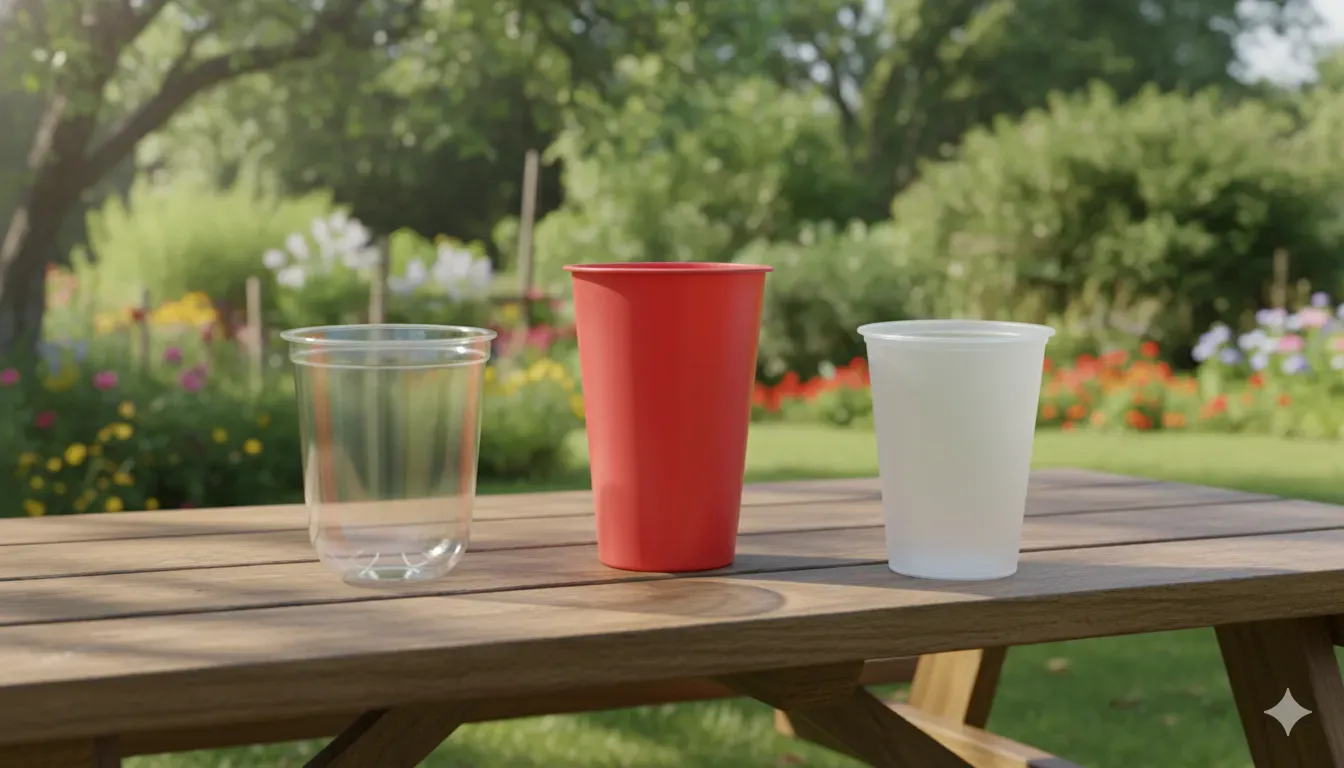
Choosing Multi-Use Plastic Cups: A Complete Guide for Modern Needs
Multi-Use Plastic Cups: A Smart Solution for Many Household Needs
Multi-use plastic cups go beyond a single-use beverage container — one item can handle needs from the kitchen to the bathroom. Buyers who understand material specifications can significantly maximize their value.
Using them only as drink containers is the most limited way to use them. From spice holders and toothbrush cups to mini pots for ornamental plants, the benefits of plastic cups are much broader than often assumed.
Imagine using one simple item for spices, toothbrushes, or small decorative plants. This is a real example of a versatile plastic cup that makes operations more efficient.
Ease of use and affordable cost make it a rational choice. There is no need to buy a specialized container for every need.
For F&B or retail procurement teams looking for added value, multi-use plastic cups can also become the base material for creative projects and brand promotions. Their flexibility is an asset.
With the right material consideration, this container becomes a cost-efficient solution that also supports operational sustainability goals.
As a plastic-packaging manufacturer in Tangerang since 1992 with FSSC 22000 and ISO 9001 certification, Wingoh produces food-grade PP cups for F&B operators who need consistent, reusable quality. Planning a volume order? Talk to our procurement team or browse the full reusable thinwall cup range to match cups to your menu.
7 Innovative Ways to Turn Used Plastic Cups into Useful Items
Sustainability-oriented buyers already recognize the potential of multi-use plastic cups beyond beverage service. Below are seven practical applications for used plastic cups across different needs.
There are many plastic cup recycling ideas that can be applied. With a little creativity, this simple item has many uses for used plastic cups, proving that plastic cups can truly be optimized.
- Desk Organizer: Use them to store pencils, pens, or markers. The desk becomes tidier and items are easier to find.
- Mini Pot for Ornamental Plants: Very suitable as an initial container for seedlings or small plants. Make sure there are drainage holes.
- Kitchen Spice Container: Practical for storing powdered spices or dried herbs. The kitchen becomes more organized.
- Small Accessory Storage: Buttons, hair clips, and craft supplies are easy to lose — cups are a simple way to organize them.
- Toothbrush Holder: In the bathroom, this versatile plastic cup can become a hygienic holder for toothbrushes and toothpaste.
- Children’s Craft Projects: Invite children to make lanterns or simple toys — a good way to develop imagination.
- Snack Container: For small portions, use a clean plastic cup for snacks or cut fruit. Make sure it is safe for food.
The benefits of plastic cups are clearly substantial. Use the potential of multi-use plastic cups to reduce waste from your operations.
How Do You Choose Safe and Durable Plastic Cups?
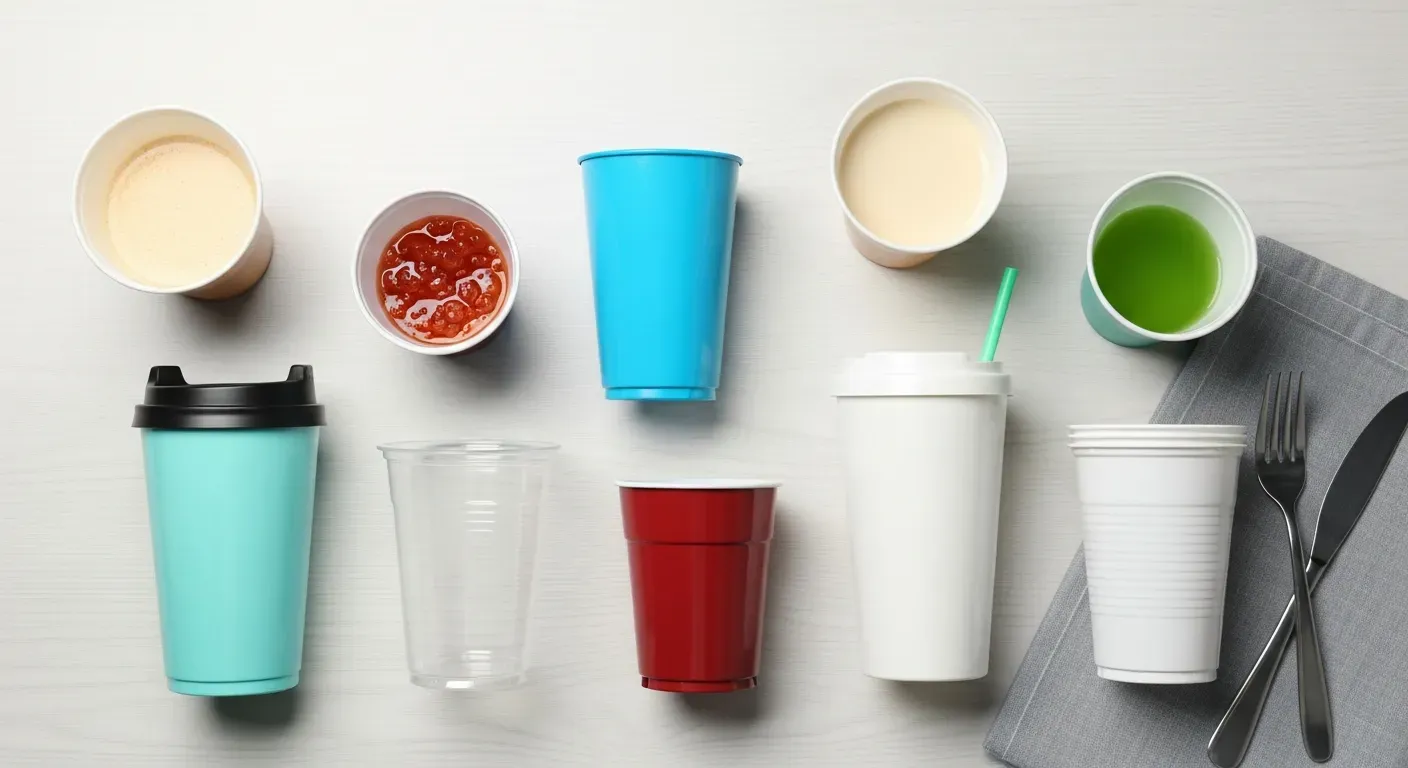
Choosing the right plastic cup requires understanding material specifications. For multi-use applications in particular, safety and durability criteria cannot be ignored.
First, pay attention to the plastic cup type. There is usually a number code on the bottom of the cup. Choose PP (Polypropylene) or HDPE (High-Density Polyethylene) for food or beverage storage — food-grade PP withstands temperatures up to 120°C, while HDPE is suitable for room-temperature liquids.
Also make sure there is a food-grade label or fork-and-spoon logo. This safety standard confirms that harmful substances will not migrate into food or beverages. Also look for BPA-free for extra safety, especially for children’s consumption.
For durability, choose adequate wall thickness. This makes the cup last longer and allows it to be washed and reused repeatedly. Quality PP cups from an FSSC 22000-certified producer such as Wingoh can last 50–100 wash cycles before showing wear.
If used for hot drinks, check the heat-resistant label. Cups not designed for high temperatures can soften or deform. Transparency can also be a consideration depending on the application.
By paying attention to these specifications, you can choose multi-use plastic cups that are genuinely high quality — safe, durable, and suitable for operational needs.
How Should You Recycle Plastic Cups Responsibly?
After understanding how to choose cups and the creative uses of used plastic cups, the next step is responsible end-of-life management. Recycling used drink containers is an important part of a sustainable use cycle.
Recycling is not just throwing something into a different bin. There is a process so plastic cups can have a “second life” and not end up in landfill. PP (#5) and PET (#1) are two resin codes that are easiest to recycle in Indonesian facilities — one benefit of mono-material plastic cups that is often forgotten when not managed properly.
Steps for recycling plastic cups:
- Clean First: This is essential — make sure plastic cups are free from food or drink residue. Rinse thoroughly so they do not attract pests and recycling becomes more effective.
- Check the Plastic Code: Look at the bottom of the cup. The triangle symbol with a number inside, usually 1–7, shows the plastic cup type. Sorting by code helps the next process.
- Sort by Type: Sort according to the code. PET (code 1) is common for water bottles, while PP (code 5) is often found in yogurt cups or versatile plastic cups. Proper sorting enables proper processing.
- Collect Separately: Provide a dedicated container for recyclable plastic. This makes it easier to bring to the nearest waste bank or recycling collection point. Cities such as Tangerang and Surabaya have facilities for specific plastic types.
Recycling significantly reduces plastic waste. Resin sorting follows the same logic Indonesia’s national standards body applies — see the SNI standards from BSN for how plastic materials are classified. To go deeper on resin codes, our plastic cup types comparison guide breaks down each code before you sort.
Smart Ideas: Optimizing Plastic Cups for Aesthetic Decor and Mini Planters
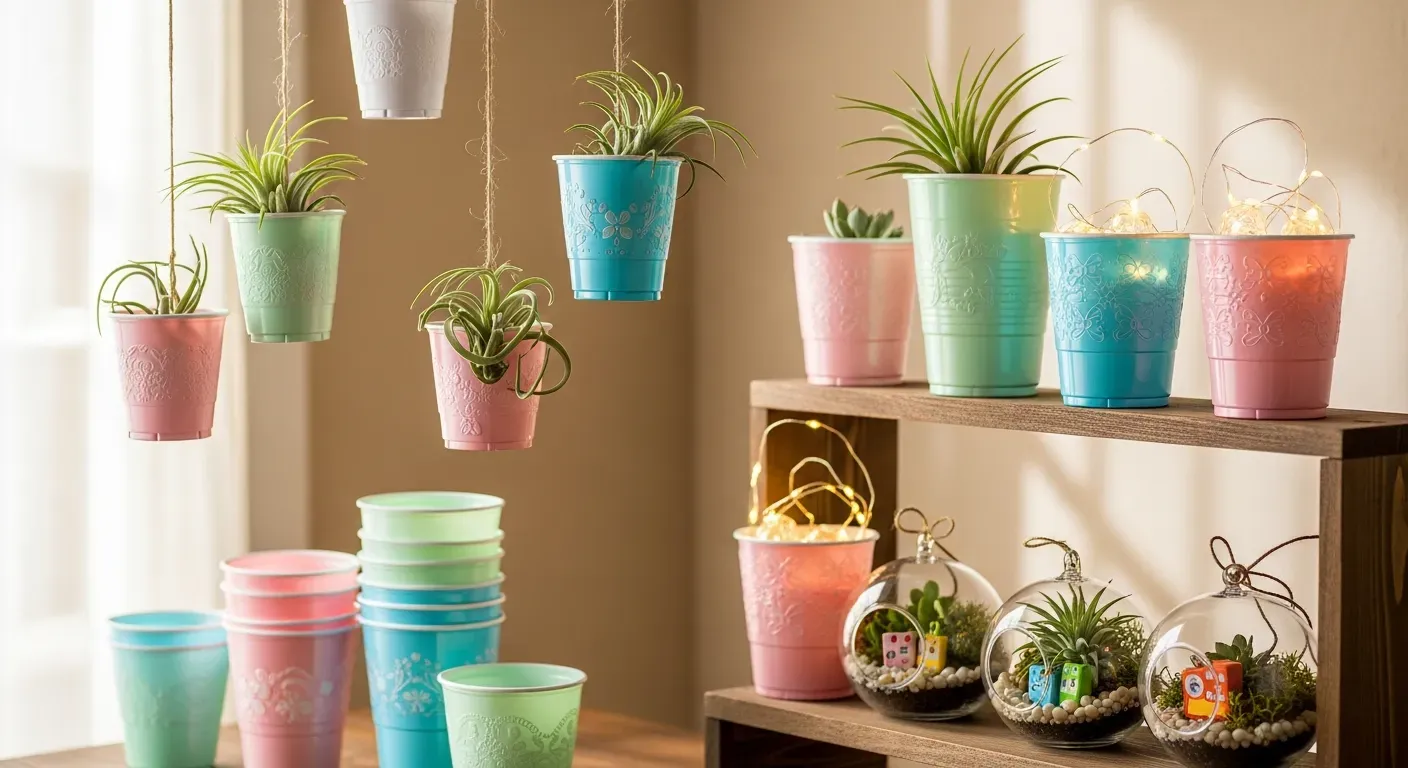
Used multi-use plastic cups do not have to end up in the trash. With a little creativity, they can become attractive decorative elements or functional mini planters — one of the most impactful plastic cup recycling ideas.
For Aesthetic Decoration
Do not let used plastic cups sit idle. Here are several ways to turn them into decorations or useful holders:
- Stationery Holder: Paint or decorate plastic cups with patterned paper, fabric scraps, or jute twine to create a personal, aesthetic pen holder.
- Small Item Container: From hair clips and buttons to small jewelry, this versatile plastic cup becomes a practical container. Arrange several cups and group small items neatly.
- Mini Decorative Lamp: Punch holes in the plastic cup in an attractive pattern, then place a small LED strip inside for a warm, unique effect.
For Mini Planting Media
Plant lovers will appreciate this idea. Turning plastic cups into mini pots is a smart and environmentally friendly option.
- Seedling Pot: Plastic cups are ideal for germinating vegetable or flower seeds before moving them to larger pots. Make drainage holes at the bottom.
- Small Ornamental Plant Container: Suitable for succulents, mini cacti, or herbs such as mint and basil. Paint the cup to match the interior.
- Unique Plant Gift: Plant a small seedling or tiny plant in a decorated plastic cup as a sweet, personal gift.
With a creative touch, multi-use plastic cups have many unexpected uses for used plastic cups. For high-volume food-grade PP cup purchasing, visit Wingoh’s injection plastic cup product page.
Frequently Asked Questions
- Can multi-use plastic cups be washed and reused many times?
- Yes, especially PP (#5) or Tritan cups designed for reuse. Food-grade PP cups can withstand dishwasher temperatures up to 100°C and can be reused 50–100 times before wear appears. Wingoh provides standard 12–22 oz PP cups that can function as reusable cups when properly cared for.
- How do I make sure a multi-use plastic cup is safe for different drinks and foods?
- Check three key labels: Food Grade, BPA-free, and resin code (#5 PP for heat resistance, #1 PET for cold use). PP cups marked microwave safe are suitable for hot drinks up to 120°C. Cups produced by Wingoh meet FSSC 22000 standards — batch certificates can be requested for B2B orders.
- What care tips keep multi-use plastic cups durable and hygienic?
- Four practices matter: wash immediately after use with mild soap, avoid abrasive sponges that scratch the surface, place only on the top rack of the dishwasher, and store dry away from direct sunlight. Do not use cups that are cracked or deeply scratched because bacteria can grow in the gaps.
- What recycling considerations apply to multi-use plastic cups?
- Check the triangle code on the cup base — PP (#5) and PET (#1) are among the easiest to recycle in Indonesian facilities. Make sure the cup is clean and dry before placing it in a recycling bin. Check local recycling guidance because cities such as Tangerang and Surabaya have facilities for specific plastic types.
- Which material spec should a procurement team request for multi-use plastic cups?
- Specify food-grade PP (resin code #5) for heat resistance up to 120°C and adequate wall thickness for repeated washing. PP holds up to dishwasher cycles where thinner PET would deform, so it is the safer default for reusable food-service applications. Wingoh produces food-grade PP cups in the 12–22 oz range and can provide batch certificates on request.
- Can Wingoh supply multi-use plastic cups for large food-service orders?
- Yes. As an injection-molding manufacturer, Wingoh supplies food-grade PP cups in volume to F&B, retail, and catering buyers, with FSSC 22000-backed batch documentation available for B2B procurement. Contact the sales team to discuss specifications, sizing, and order quantities.